

Last Updated: November 15, 2026
Quick Summary
The best diet for BBL recovery and healing is built on protein, healthy fats, produce, and steady hydration, eaten in balanced meals throughout the day. Spread protein across every meal and sip fluids steadily, since food gives the body the raw materials it needs to repair tissue and manage swelling. Follow your surgeon’s specific instructions above any general advice.
- Build meals around a palm-sized portion of protein, a colorful vegetable or fruit, a healthy fat, and water.
- Small, frequent eating windows often work better than three large meals during the first weeks.
- Limit alcohol, excess salt, sugary drinks, fast food, and very spicy or greasy foods.
- For nausea, favor bland, cool foods like crackers, toast, bananas, and plain yogurt.
- Contact your surgeon if you cannot keep fluids down for more than a day.
Table of Contents
- Why Nutrition Shapes BBL Recovery
- What to Eat After BBL to Feed the Fat
- How Long to Feed the Fat After BBL
- What to Eat After BBL and Lipo
- A Practical BBL Meal Plan for the First Weeks
- Foods to Limit or Avoid During Recovery
- Managing Eating Challenges, Food Safety, and Medications
- Planning Your Post-Op Nutrition Support in Fort Lauderdale
- Frequently Asked Questions
Why Nutrition Shapes BBL Recovery
The best diet for BBL recovery and healing is built on protein, healthy fats, produce, and steady hydration, eaten in balanced meals throughout the day. Clients often ask what to eat during the weeks after a Brazilian butt lift, and the answer starts with a simple idea: recovery is physical work, and the body needs fuel to do it. (Source: USDA Dietary Guidelines for Americans)
Healing after a BBL involves skin incisions, deep tissue trauma from liposuction, and transferred fat that must settle into its new position. Each of those processes uses energy and nutrients. A plate that supports all three beats a plate that only supports one.
What to Eat After BBL to Feed the Fat
“What to eat after BBL to feed the fat” is a phrase you will see everywhere, and it deserves a careful answer. No food feeds transferred fat directly, and no diet guarantees fat survival.
The USDA Dietary Guidelines for Americans describe a healthy eating pattern as one built on whole foods, lean protein, fruits, vegetables, and healthy fats. That same pattern fits recovery well.
Protein, Healthy Fats, and Produce: The Core Three
Protein supports wound healing and tissue repair. Good sources include chicken, fish, eggs, Greek yogurt, beans, and lentils. Spread protein across every meal rather than saving it for dinner.
Healthy fats come from avocado, olive oil, nuts, seeds, and fatty fish.
Produce delivers vitamins, minerals, and fiber. Citrus fruits, berries, leafy greens, bell peppers, and sweet potatoes are easy additions.
How Long to Feed the Fat After BBL
There is no official deadline for “feeding the fat,” and any clinic that promises one is guessing. Most surgeons give diet guidance for the first several weeks, then clear patients to return to normal eating.
Recovery nutrition matters most while swelling is highest and incisions are closing. After that, a balanced diet helps protect results over the long term. Follow your surgeon’s specific instructions above any general advice, since every procedure and every patient is different.
What to Eat After BBL and Lipo
Combined BBL and liposuction raises the body’s demands. Liposuction involves widespread tissue trauma, so protein and fluids matter even more. The Cleveland Clinic overview of liposuction notes that recovery involves swelling, bruising, and a gradual return to activity, all of which a nutrient-dense diet supports.
A reader combining both procedures may want a fuller picture of what each stage involves. The Lipo 360 recovery timeline breaks down week-by-week expectations, which pairs well with the meal guidance here.
Build meals around:
- A palm-sized portion of protein at each meal
- A colorful vegetable or fruit at each meal
- A source of healthy fat, such as olive oil or avocado
- Water with every meal and between meals
A Practical BBL Meal Plan for the First Weeks
A BBL meal plan does not need to be complicated, but it does need to be realistic. In the first weeks after surgery, energy is low, appetite can be unpredictable, and standing at the stove may feel like too much.
Planning around small, frequent eating windows can be easier than three large meals early on. Anesthesia, pain medication, and swelling can all blunt appetite, so a plan that assumes a hearty breakfast, lunch, and dinner often falls apart by day three.
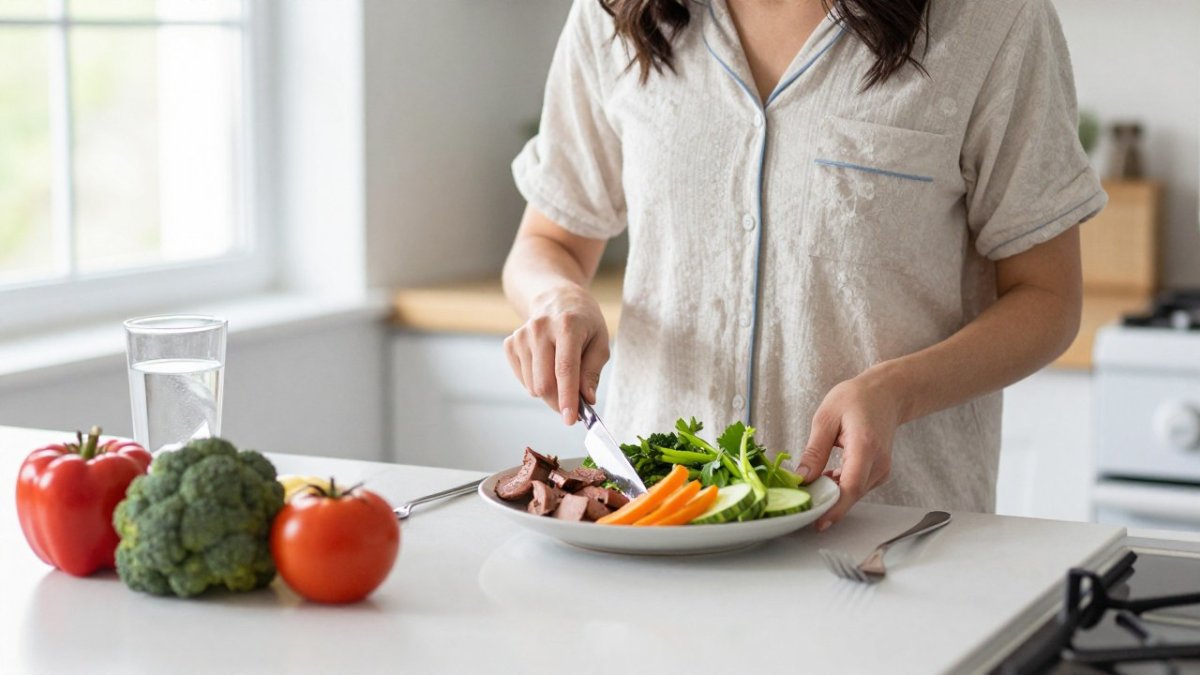
A Sample Week of Recovery Meals
Treat this as a template, not a prescription. Swap in foods you already tolerate, and follow any specific instructions from your surgeon above all else.
- Day 1: Greek yogurt with berries and nut butter; chicken and rice soup; apple slices with almond butter; baked salmon with sweet potato and steamed greens
- Day 2: Scrambled eggs with spinach and whole-grain toast; lentil soup with a side of roasted carrots; cottage cheese with pineapple; grilled chicken, quinoa, and roasted vegetables
- Day 3: Overnight oats with chia and banana; tuna salad on whole-grain crackers; handful of walnuts; turkey meatballs with zucchini and marinara
- Day 4: Smoothie with Greek yogurt, spinach, and frozen berries; leftover meatballs; hummus with cucumber and pita; baked cod with brown rice and broccoli
- Day 5: Eggs and avocado on toast; chicken and vegetable stir-fry; Greek yogurt with honey; lentil pasta with olive oil and roasted tomatoes
Keep water, broth, and herbal tea within reach throughout the day. Sipping steadily tends to feel easier than drinking a large amount at once.
Prep Tips That Survive Low-Energy Days
- Cook proteins in batches on one day and portion them into containers
- Wash and chop produce ahead of time so snacks are grab-and-go
- Keep easy snacks within reach of your rest area, not just in the kitchen
- Freeze individual portions of soups, stews, and cooked grains for low-energy days
- Accept help with grocery runs and cooking when it is offered
Watch out: relying on meal delivery or takeout for every meal can quietly push sodium and added sugar higher, which may worsen bloating and swelling, read labels and choose simpler preparations when you can.
Adjusting the Plan When Eating Is Hard
Nausea, constipation, and low appetite are common after surgery, and the plan should bend around them rather than the other way around. (Source: Cleveland Clinic overview of liposuction)
- Nausea: favor bland, cool, or room-temperature foods such as crackers, toast, bananas, and plain yogurt; sip fluids slowly
- Constipation: increase fiber gradually through fruit, vegetables, and whole grains, and pair it with steady fluid intake
- Low appetite: choose protein-rich snacks over empty calories, and eat small amounts more often
- Limited mobility: keep a small cooler or snack basket near your rest area so you are not walking to the kitchen every hour
If eating remains difficult for more than a day or two, or if you cannot keep fluids down, contact your surgeon’s office rather than waiting for your next follow-up.
Foods to Limit or Avoid During Recovery
Some foods work against recovery. Limiting them is not about perfection; it is about giving the body the best conditions to heal.
Foods and drinks to limit:
- Alcohol, which can interfere with hydration and healing
- Fast food and heavily processed foods, which are low in nutrients
- Excess salt, which can worsen bloating and swelling
- Sugary drinks, which add calories without much nutritional value
- Very spicy or greasy foods, if they upset your stomach
Watch out: skipping meals because of low appetite can slow healing and leave you feeling weak. If eating feels difficult, small frequent snacks often work better than large meals.
Some foods work against recovery, so limiting them gives the body the best conditions to heal.
| Food or drink | Why to limit it |
|---|---|
| Alcohol | Can interfere with hydration and healing |
| Fast food and heavily processed foods | Low in nutrients |
| Excess salt | Can worsen bloating and swelling |
| Sugary drinks | Add calories without much nutritional value |
| Very spicy or greasy foods | Limit if they upset your stomach |
Managing Eating Challenges, Food Safety, and Medications
Appetite often drops after surgery, and anesthesia, pain medication, and swelling can all affect how eating feels. Small, frequent meals and protein-rich snacks help. Constipation is common too, so fiber and fluids matter. These are normal parts of recovery, but some eating-related symptoms deserve a call to your surgeon rather than a wait-and-see approach.
Food Safety Basics
Food safety deserves attention, especially while your body is healing. Wash hands and surfaces, cook meat to safe temperatures, and refrigerate leftovers promptly. The FDA food safety guidance covers safe handling basics in plain language. Avoid unpasteurized dairy and undercooked meats during the early healing phase, and be cautious with raw sprouts and pre-cut produce that has sat out.
Medications, Supplements, and Timing
Medication interactions matter as well. Some medications should be taken with food, others on an empty stomach. Ask your surgeon or pharmacist rather than guessing.
Supplements are a common source of confusion. Many people assume that vitamin C, zinc, or herbal blends are harmless because they are sold over the counter, but some can interact with medications or affect bleeding and healing.
Watch out: alcohol can interfere with hydration and healing and may interact with pain medication, most surgeons ask patients to avoid it entirely during early recovery.
When to Contact Your Surgeon
Diet supports healing, but it cannot replace medical care. Contact your surgeon’s office promptly if you notice:
- Persistent nausea or vomiting that keeps you from eating or drinking
- Inability to keep fluids down for more than a day
- No bowel movement for several days despite fiber and fluids, or severe abdominal pain
- Signs of infection around incisions, such as spreading redness, warmth, or drainage
- Fever, chills, or worsening swelling on one side
- Dizziness, fainting, or a racing heartbeat
If symptoms feel severe or you are unsure, call your surgeon’s office or seek urgent medical attention rather than waiting for your next scheduled visit.
If you feel persistently low, anxious, or unable to eat, mention it at your follow-up. The emotional side of BBL recovery is worth reading if mood or appetite feels harder than expected.
Swelling and bloating are common after surgery, and some readers find that lymphatic drainage supports BBL recovery alongside good nutrition. Both work together, not in place of each other.
Planning Your Post-Op Nutrition Support in Fort Lauderdale
Nutrition is one piece of recovery. A reader who wants to see what recovery-focused care looks like locally can explore post-op lymphatic drainage in Fort Lauderdale to understand the services available.
For a broader recovery playbook that includes diet as one part, the guide to the best ways to speed up healing after BBL covers the other habits that matter.
Reviv Spa supports women through the weeks after surgery with a private, women-focused setting and Brazilian-trained lymphatic techniques.
Recovery takes patience, and good nutrition is one of the few things you can control along the way.
Frequently Asked Questions
What foods should I avoid after a BBL?
Limit processed foods, fast food, and alcohol during early BBL recovery. High-sodium packaged meals can worsen swelling, and alcohol can interfere with hydration and healing. Very sugary drinks and snacks offer little nutrition when your body needs protein and produce. Ask your surgeon about any specific restrictions, especially if you take medications that interact with certain foods, and reintroduce items gradually as healing progresses.
How much protein should I eat after a BBL?
There is no single protein target that fits every BBL patient. Your needs depend on your body weight, overall health, and your surgeon’s guidance. A practical approach is to include a protein source at each meal and snack, such as eggs, chicken, fish, Greek yogurt, beans, or lentils. If you are unsure whether you are eating enough, ask your surgeon or a registered dietitian for a personalized recommendation.
Can diet affect fat survival after a BBL?
Nutrition supports healing, but no diet can guarantee how much transferred fat survives. Some fat graft loss is normal after a Brazilian butt lift. A balanced diet with protein, healthy fats, and adequate fluids helps your body heal and may support the recovery environment, but it does not control fat retention. Follow your surgeon’s post-op instructions and avoid extreme dieting during early recovery, since severe calorie restriction can work against healing.
How long should I follow a BBL recovery diet?
Most patients benefit from focusing on nutrient-dense foods through the first several weeks of healing, then maintaining balanced habits as swelling settles. Your surgeon may adjust this timeline based on your procedure and progress. Rather than following a strict short-term diet, aim for steady habits: protein at each meal, plenty of fluids, and whole foods. If you plan to change your eating for weight loss, wait until your surgeon clears you.
