
Table of Contents
- What Actually Speeds Up Healing After BBL
- BBL Recovery Timeline: What to Expect Week by Week
- Method 1: Support Circulation and Swelling Reduction Early
- Method 2: The Lymphatic Drainage Massage Benefits That Matter Most
- Method 3: Post-Op Compression Garment Guide for BBL Recovery
- Nutrition, Hydration, and Habits That Support Tissue Healing
- Common Mistakes That Slow BBL Recovery
- Frequently Asked Questions
Last Updated: September 28, 2026
What Actually Speeds Up Healing After BBL
Healing after BBL comes down to three things: steady circulation, careful pressure control, and consistent compression. Everything else is noise. This guide from Reviv Spa breaks those three methods into steps you can start today.
American Society of Plastic Surgeons guide to BBL recovery
BBL Recovery Timeline: What to Expect Week by Week
The BBL recovery timeline runs roughly six to eight weeks, though every surgeon sets their own pace. Swelling peaks in the first week and eases steadily after that.
Here is the general shape of it:
- Weeks 1-2: Maximum swelling, limited sitting, compression worn around the clock
- Weeks 3-4: Swelling starts to drop, gentle walking increases, most patients return to desk work
- Weeks 5-8: Compression hours taper, light exercise may resume with surgeon approval
- Months 2-6: Final contour settles as residual swelling clears
Sitting directly on the grafted area too early can compress newly transferred fat before it builds a blood supply. Ask your surgeon exactly when and how long you can sit.
Method 1: Support Circulation and Swelling Reduction Early
Circulation is the engine of healing after BBL. Blood carries oxygen and nutrients to the grafted fat and clears fluid from the surgical site. Two habits drive it: how you sleep and how you move.
Sleep Positioning and the BBL Pillow
Sleeping face down or on your side protects the grafted area. A BBL pillow or wedge pillow takes pressure off the buttocks while you rest.
Gentle Movement and Blood Circulation
Short walks beat long ones. A few minutes of slow walking, several times a day, keeps blood moving without stressing the tissue.
Set a timer for short walks instead of waiting until you feel stiff. Movement before stiffness sets in is easier on the body and gentler on the graft.
Method 2: The Lymphatic Drainage Massage Benefits That Matter Most
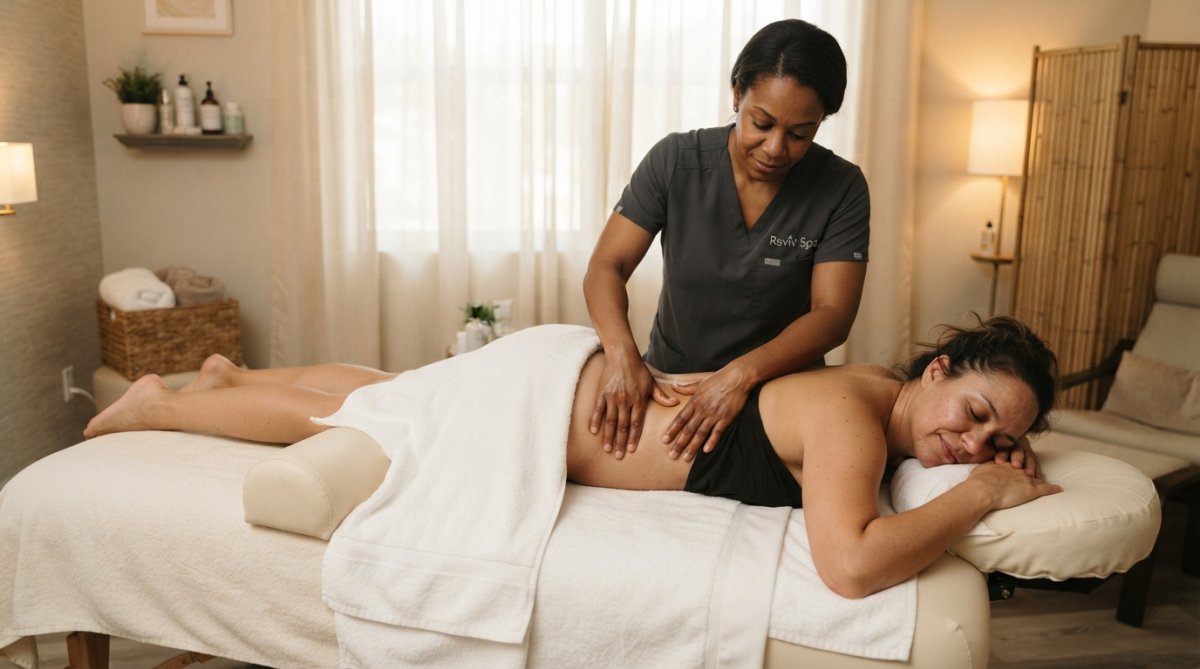
The lymphatic drainage massage benefits show up fastest in swelling and comfort. This is a gentle, rhythmic technique that moves excess fluid toward the lymph nodes so the body can clear it.
What to Look For in a Post-Surgical Massage Provider
Look for hands-on training in post-surgical lymphatic work. Ask how the therapist handles incision sites and compression garments.
Method 3: Post-Op Compression Garment Guide for BBL Recovery
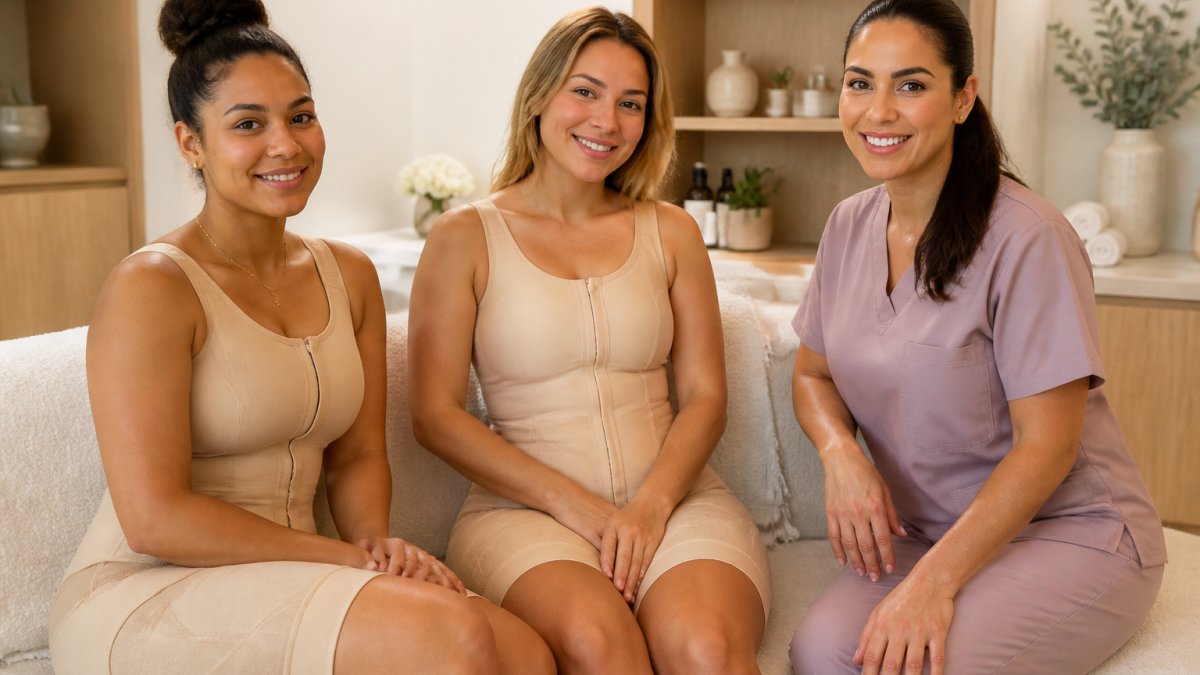
A post-op compression garment guide starts with one rule: wear it as directed. Compression reduces swelling, supports the surgical site, and helps hold the new contour in place while the transferred fat settles.
The Stages Most Surgeons Follow
Compression is rarely one garment for the whole recovery. A common pattern looks like this:
- Stage 1 (roughly the first one to three weeks): A firmer, higher-coverage garment, often with adjustable hooks or a zipper, worn close to around the clock. Some surgeons add foam pads or boards over specific areas.
- Stage 2 (roughly weeks three through six): A lighter, more flexible garment, sometimes a stage 2 faja or a compression bodysuit, with wear hours beginning to taper.
- Transition (typically weeks six through eight and beyond): Daytime wear only, then a gradual stop, based on how swelling responds.
Fit Matters as Much as Wear Time
A garment that digs in, rolls down, or gaps at the edges can cause problems instead of preventing them. Check these points every time you put it on:
- Seams sit flat against the skin, with no twisted edges
- Pressure feels even across the area, not concentrated in one spot
- The garment stays in place when you stand, sit, and walk
- No numbness, tingling, or color changes below the garment’s edge
- A second garment stays clean and ready for laundry days
Foam Pads, Boards, and Accessories
Many surgeons recommend foam pads, abdominal boards, or lumbar supports under the garment. These help distribute pressure and keep the garment from creasing into the skin.
When and How to Transition Out of Compression
Transitioning out of compression is a gradual process, not a single day. Most surgeons reduce hours step by step, often over one to two weeks.
A practical approach:
- Start by removing the garment for short windows at home, such as an hour in the evening.
- Watch how the body responds. Mild swelling that settles overnight is common.
- If swelling increases or the area feels tender, go back a step and hold there for a few days.
- Extend the no-garment windows only when the previous step felt stable.
Caring for the Garment Itself
Take a photo of the garment’s tag and your surgeon’s wear instructions on day one. By week three, it is easy to forget the exact hours and stage you were given.
Contact your surgeon right away for numbness, severe pain, skin breakdown, or color changes under the garment. These are not fit problems to solve on your own.
If you are in the Fort Lauderdale area and want hands-on support with swelling and comfort during this stage, Reviv Spa’s post-operative recovery services are designed around surgeon-referred patients and individualized care.
Nutrition, Hydration, and Habits That Support Tissue Healing
Most recovery guides stop at “eat protein and drink water.” That advice is correct but hard to act on at 7 a.m. when you are swollen, sore, and not hungry. This section goes further: a structured, anti-inflammatory eating pattern you can follow for the first week, plus the hydration and sleep habits that support it.
Why Inflammation Control Matters After BBL
Some inflammation is part of normal healing. It brings immune cells and fluid to the surgical site. The problem is when swelling lingers longer than it needs to, which can make recovery feel slower and less comfortable.
A 7-Day Anti-Inflammatory Framework
This is a framework, not a prescription. Swap foods freely based on what you tolerate and what your surgeon allows. Many patients find small, frequent meals easier than three large ones in the early weeks.
Day 1, Reset and hydrate
- Breakfast: scrambled eggs with spinach, half an avocado
- Lunch: lentil soup with carrots and celery
- Dinner: baked salmon, roasted zucchini, quinoa
- Snacks: Greek yogurt, blueberries
Day 2, Protein forward
- Breakfast: Greek yogurt with walnuts and berries
- Lunch: grilled chicken over mixed greens with olive oil
- Dinner: turkey meatballs with marinara and whole-wheat pasta
- Snacks: cottage cheese, apple slices
Day 3, Fiber and fluids
- Breakfast: oatmeal with chia seeds and banana
- Lunch: chickpea and cucumber salad with lemon
- Dinner: cod with sweet potato and steamed broccoli
- Snacks: almonds, orange segments
Day 4, Omega-3 focus
- Breakfast: veggie omelet with mushrooms and peppers
- Lunch: sardines or tuna on whole-grain toast
- Dinner: salmon with asparagus and brown rice
- Snacks: walnuts, plain kefir
Day 5, Plant variety
- Breakfast: smoothie with spinach, berries, and protein powder
- Lunch: black bean bowl with brown rice and salsa
- Dinner: roasted chicken thighs with Brussels sprouts
- Snacks: hummus with carrot sticks
Day 6, Easy digestion
- Breakfast: poached eggs with avocado toast
- Lunch: chicken and vegetable soup
- Dinner: baked white fish with mashed sweet potato
- Snacks: Greek yogurt, pear
Day 7, Repeat what worked
- Return to the two or three days that felt best and repeat them. Consistency beats novelty.
Hydration Without the Bloat
Water supports blood circulation and helps the body clear waste. A simple target is pale-yellow urine and steady sipping through the day rather than large amounts at once.
Sleep, the Third Habit
Three habits carry the most weight in tissue healing: protein at every meal, steady water intake, and real sleep. A structured anti-inflammatory week gives all three a place to land.
If you would like guidance on how nutrition fits alongside lymphatic care and recovery support, Reviv Spa’s team in Fort Lauderdale can walk you through what to expect during post-operative care.
Common Mistakes That Slow BBL Recovery
The biggest mistake is rushing. Patients who sit too soon, skip compression, or push into exercise too early tend to see more swelling and slower results.
Other common missteps:
- Sleeping flat on the back before clearance
- Wearing a garment that is too loose or too tight
- Skipping follow-up appointments
- Ignoring signs of infection, such as fever or unusual drainage
- Comparing personal progress to someone else’s photos
| Mistake | Why It Slows Healing | What to Do Instead |
|---|---|---|
| Sitting too early | Puts pressure on grafted fat | Follow surgeon’s sitting rules |
| Skipping compression | Swelling lingers longer | Wear garment as directed |
| Overtraining | Stresses healing tissue | Walk gently, wait for clearance |
| Poor protein intake | Slows tissue repair | Add protein to every meal |
| Missing follow-ups | Problems go unchecked | Keep every appointment |
Frequently Asked Questions
How can I reduce swelling after a BBL procedure?
Swelling is a normal part of healing after BBL, but you can support reduction by wearing your compression garment as directed by your surgeon, sleeping in the recommended position with a BBL pillow, staying hydrated, and limiting sodium. Gentle lymphatic drainage massage performed by a trained provider can also help move excess fluid. Always follow your surgeon’s specific post-op instructions, and contact their office if swelling suddenly increases, becomes painful, or feels uneven.
What is the role of lymphatic drainage in BBL recovery?
Lymphatic drainage massage benefits include helping the body clear excess fluid and supporting the healing process after surgery. A trained therapist uses light, rhythmic strokes to encourage lymph movement, which may help ease swelling and discomfort. It is not a substitute for your surgeon’s care, and timing matters. Ask your surgeon when you can begin post-surgical massage, and choose a provider experienced with post-operative bodies.
How long does it take for BBL results to settle?
BBL recovery timeline varies by person, but most surgeons describe a gradual process over several weeks to months. Early swelling typically decreases over the first few weeks, and final results often become clearer after a few months. Fat grafting survival, skin adaptation, and your individual healing rate all influence how quickly things settle. Your surgeon is the best source for a timeline tailored to your procedure.
When is it safe to resume normal activities after BBL surgery?
There is no universal timeline for resuming activity after BBL. Most surgeons restrict direct pressure on the grafted area and limit strenuous exercise for a period they determine based on your procedure. Walking gently is often encouraged early to support blood circulation, but intense workouts, heavy lifting, and sitting directly on the buttocks should wait until your surgeon clears you. Always follow your surgeon’s guidance rather than a general rule.
Recovery after a BBL asks for patience, consistency, and the right support. The three methods above cover most of what moves the needle, but professional care can make the process smoother. Reviv Spa offers Brazilian lymphatic drainage, post-surgical massage, and fibrosis-focused treatment in a private, women-only setting in Fort Lauderdale. The team works alongside your surgeon’s plan, never in place of it. Explore Reviv Spa’s post-operative services and book a session to support your healing.