

Last Updated: November 21, 2026
Quick Summary
Post surgical massage is a gentle, structured manual therapy used after cosmetic or medical procedures to help the body manage swelling, ease discomfort, and support soft tissue healing. It uses light, targeted pressure rather than deep, aggressive strokes, and should only begin once your surgeon gives clearance.
- Gentle, directed strokes guide pooled fluid toward lymphatic pathways that clear it.
- Surgeon clearance comes first and should cover when to start, allowed pressure, and areas to avoid.
- Post-surgical lymphatic drainage uses light, rhythmic strokes focused on fluid movement, not muscle work.
- Schedules often start more frequently and taper as recovery progresses, as directed by the surgeon.
- Fever, spreading redness, worsening one-sided swelling, or shortness of breath mean stop and seek medical advice.
Table of Contents
- What Post Surgical Massage Therapy Does for Your Recovery
- Massage After Surgery When Safe: Reading Your Surgeon’s Clearance
- Post-Surgical Lymphatic Drainage Massage and Fluid Movement
- How Often to Get Post-Op Lymphatic Massage
- Massage After Surgery Risks and Red Flags to Watch For
- Preparing for Your First Post-Op Massage Session
- Scar Tissue, Stiffness, and Mobility: What to Expect Over Time
- Booking Your Post-Op Recovery Care in Fort Lauderdale
- Frequently Asked Questions
What Post Surgical Massage Therapy Does for Your Recovery
Post surgical massage therapy for recovery is a gentle, structured form of manual care used after cosmetic or medical procedures to help the body manage swelling, ease discomfort, and support soft tissue healing.
Here is the most useful thing to understand up front: post surgical massage is not a deep, aggressive rub. It is a light, targeted technique. Pressure, timing, and direction all matter.
Below, we explain what post surgical massage does, when it is safe, how often to book, and the warning signs that mean stop and call your surgeon.
How Manual Therapy Supports Swelling, Circulation, and Soft Tissue Healing
Manual therapy helps move fluid that collects after surgery. When tissue is disturbed, the body sends extra fluid to the area. That fluid can pool, causing puffiness and tightness.
The same light pressure supports circulation. Gentle massage is often described as supporting circulation, though individual responses vary and no specific outcome can be promised.
Soft tissue healing is the third piece. For a deeper look at fluid movement and practical tips, see this guide to reducing post-op swelling with lymphatic drainage.
Massage After Surgery When Safe: Reading Your Surgeon’s Clearance
Massage after surgery is safe only when the surgeon says it is. There is no single universal timeline. Every procedure, every patient, and every healing pace is different.
That is why surgeon clearance comes first, always. A good provider will ask for it before the first session.
Clearance usually covers three things: when to start, what pressure is allowed, and which areas to avoid. Follow it closely. When in doubt, ask the surgeon’s office to confirm in writing.
Procedure-Specific Timing: Liposuction, Tummy Tuck, and BBL
Timing depends heavily on the procedure. After liposuction or Lipo 360, many surgeons allow gentle lymphatic work fairly early, because managing fluid and swelling is a priority. After a tummy tuck, incisions and muscle repair mean extra caution around the abdomen.
None of these timelines are one-size-fits-all. A tummy tuck patient who wants a fuller picture of what recovery involves can read this post-operative care guide for tummy tuck recovery. The key point: let the procedure and the surgeon set the schedule, not a general rule found online.
Post-Surgical Lymphatic Drainage Massage and Fluid Movement
Post-surgical lymphatic drainage massage is a light technique that follows the path of the lymphatic system to help the body clear excess fluid after surgery. It uses gentle, rhythmic strokes rather than firm pressure.
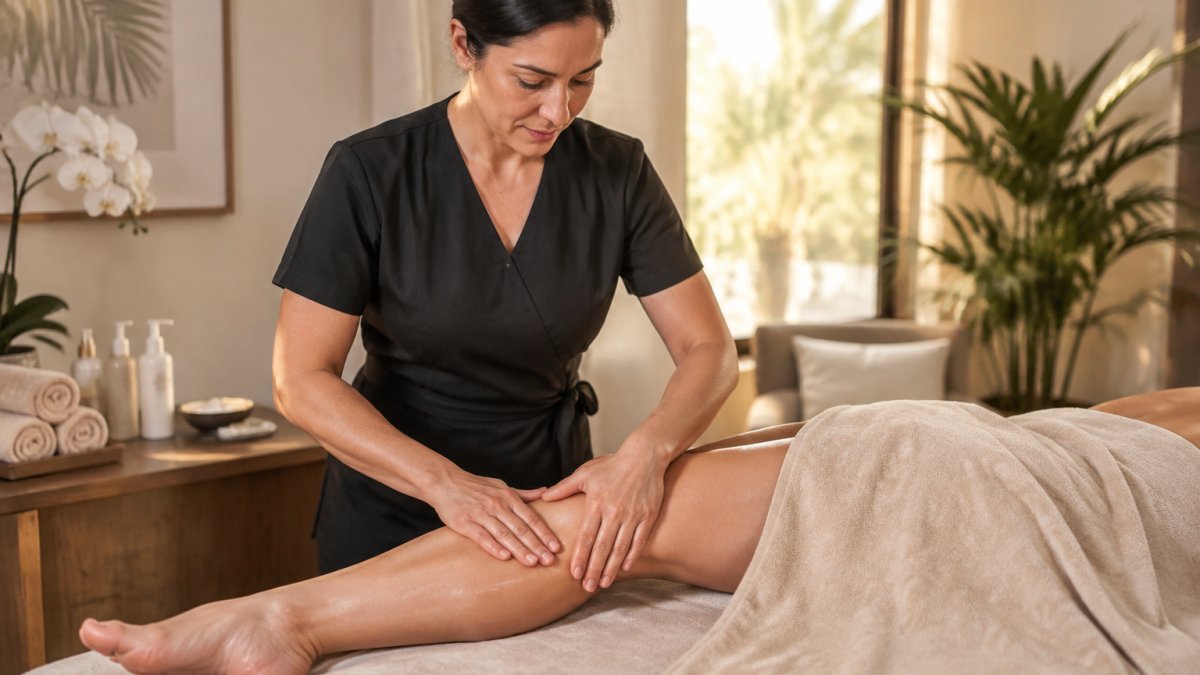
The lymphatic system does not have a pump like the heart. It relies on movement, breathing, and muscle activity to push fluid along. After surgery, that flow can slow down.
Post-surgical lymphatic drainage is generally performed with light pressure. Heavier pressure is not appropriate for healing tissue.
How Often to Get Post-Op Lymphatic Massage
How often to get post-op lymphatic massage depends on the stage of recovery and the surgeon’s guidance. Early on, some patients are advised to come more frequently, then taper as swelling settles.
There is no fixed number that fits everyone. Swelling, procedure type, and how the body responds all shape the plan. A provider should reassess at each visit and adjust.
Watch out: booking many deep sessions back-to-back to “speed things up” can backfire. Overworking healing tissue may increase soreness and irritation. Gentle and consistent beats intense and rushed.
Massage After Surgery Risks and Red Flags to Watch For
Massage after surgery risks are real, and knowing them protects recovery. The main concerns are too much pressure, starting too soon, and working over areas that are still healing. Done carelessly, massage can irritate incisions, increase swelling, or interfere with healing tissue.
That is why a careful provider screens before every session, not just the first one. Screening means asking how the incisions look, whether swelling has changed since the last visit, whether pain is improving or worsening, and whether anything feels different.
What Each Red Flag May Signal
The symptoms below are not normal massage soreness. They are reasons to stop and seek medical advice, and some are urgent.
- Fever, chills, or a wound that feels hot to the touch. These can point to infection (the CDC). Contact the surgeon promptly; do not wait for the next scheduled visit.
- Spreading redness, streaking, or pus at an incision. Also possible infection. The surgeon needs to see it.
- Worsening swelling that does not ease, especially if it is one-sided or accompanied by calf pain or warmth. This can be a sign of a blood clot, which is a medical emergency (the CDC). Seek urgent care rather than booking another session.
- Shortness of breath or chest pain. Call 911 or go to an emergency room (Warning Signs of a Heart Attack). Do not drive yourself and do not treat this as something to monitor at home.
- Fluid leaking from an incision, or an incision that opens. The surgeon should assess before any massage resumes.
- Pain that is increasing rather than settling, or new numbness. Report it to the surgeon before continuing care.
Watch out: a provider who dismisses these signs, or who offers to “work through” a hot, red, or newly painful area, is not safe to continue with. Pausing is the correct response, not a lost appointment.
How a Careful Provider Screens Before and During a Session
Good screening is quiet and consistent. Before the first session, the provider confirms written surgeon clearance and reviews the procedure, the date, and any pressure or positioning limits.
This is also where communication with the care team matters.
It also helps to know the difference between normal swelling and a firmer problem. This guide on post-op swelling versus fibrosis symptoms explains how to tell them apart. Never self-diagnose.
These symptoms are not normal massage soreness, they are reasons to stop and seek medical advice.
| Red flag | What it may signal | What to do |
|---|---|---|
| Fever, chills, or a wound hot to the touch | Possible infection | Contact the surgeon promptly |
| Spreading redness, streaking, or pus at an incision | Possible infection | The surgeon needs to see it |
| Worsening swelling that does not ease, one-sided, or with calf pain or warmth | Possible blood clot | Seek urgent care |
| Shortness of breath or chest pain | Medical emergency | Call 911 or go to an emergency room |
| Fluid leaking from an incision, or an incision that opens | Wound concern | Surgeon should assess before massage resumes |
| Pain increasing rather than settling, or new numbness | Needs evaluation | Report it to the surgeon before continuing care |
Preparing for Your First Post-Op Massage Session
Preparation makes the first session smoother. A few simple steps help the provider work safely and help the patient feel at ease. The goal is not to arrive perfectly organized. It is to arrive with the information a careful provider needs to plan a safe, comfortable session.
Before You Book
- Get written surgeon clearance, including any pressure or positioning limits, and bring it or send it ahead.
- Note the surgery date and the exact procedure name, including whether it was liposuction, Lipo 360, a tummy tuck, a BBL, or a combination.
- List current medications, especially blood thinners, and any supplements you take.
- Ask whether the provider has experience with your specific procedure and how they communicate with surgeons.
A short consultation before booking is a good sign, not a delay. It gives you a chance to ask questions and gives the provider a chance to confirm that care is appropriate for your stage of healing.
The Day of Your Appointment
- Wear loose, comfortable clothing that is easy to remove and put back on, especially around treated areas.
- Arrive with clean, dry skin and no lotion on the areas to be treated.
- Bring the written clearance if you have not already sent it.
- Plan to arrive a few minutes early so the intake conversation is not rushed.
What Happens During the First Session
A careful first session starts with conversation, not pressure. Expect the provider to review your history, ask about pain, numbness, and changes since surgery, and look at the incision areas with your permission.
Positioning matters as much as technique. After a BBL, for example, the surgeon’s rules about pressure and positioning guide how you lie and where the provider can work.
Communication goes both ways. Say something if pressure feels too firm, if an area feels tender in a new way, or if you feel lightheaded.
Questions to Ask Before You Leave
- What should I expect to feel like later today and tomorrow?
- What should I do, and not do, between sessions?
- Which symptoms mean I should call you, and which mean I should call my surgeon?
- When should I book the next visit, and how will we decide together?
Choosing the right provider matters as much as the technique. This guide on how to find a reputable post-surgical care clinic covers what to look for, from credentials to how they handle surgeon communication.
Scar Tissue, Stiffness, and Mobility: What to Expect Over Time
Scar tissue and stiffness generally change gradually during recovery, and progress varies from person to person.
A realistic view helps. Results vary by person and procedure. No provider can promise that fibrosis or swelling will fully resolve. What careful care can do is support comfort and function while the body does its work.
Between sessions, light movement, hydration, and following surgeon instructions all help. Complementary care works best as part of a full recovery plan, alongside surgeon follow-ups and any physical therapy.
Booking Your Post-Op Recovery Care in Fort Lauderdale
Recovery goes better with the right support.
Reviv Spa combines Brazilian lymphatic techniques with manual fibrosis treatment, red light therapy, and ultrasound. Each plan is individualized and aligned with surgeon guidance.
To review options and schedule a visit, explore post-op lymphatic drainage in Fort Lauderdale. A consultation is a good first step to see whether care fits the recovery plan.
Healing after surgery asks for patience and the right kind of support.
Frequently Asked Questions
What type of massage is best after surgery?
Manual lymphatic drainage performed with light, targeted pressure is the type most often recommended after cosmetic surgery. It focuses on fluid movement rather than deep muscle work, which keeps it gentle on healing tissue. A therapist trained in post surgical massage will adjust pressure to your stage of recovery and your surgeon’s instructions. Deep tissue work and aggressive techniques are usually avoided until your surgeon clears them, since they can stress incisions and soft tissue that are still healing.
How long should I wait to get a massage after surgery?
There is no single timeline that fits everyone. The right start date depends on your procedure, how your incisions are healing, and your surgeon’s specific guidance. Some surgeons clear lymphatic drainage within the first couple of weeks, while others prefer to wait longer. Ask your surgeon directly, and follow their answer over any general rule you read online. A reputable provider will ask for that clearance before your first session.
How often should I get post-op lymphatic massage?
Frequency depends on your procedure, swelling, and recovery stage. Early recovery often calls for more frequent visits, with sessions spaced further apart as swelling settles. Your surgeon and therapist can build a recovery plan around your body and schedule. If you are traveling to Fort Lauderdale for care, ask about back-to-back sessions during your stay, but confirm with your surgeon first that consecutive appointments suit your healing stage.
What are the risks of massage after surgery?
Risks include pressure on incisions that are not fully closed, increased discomfort, and interference with drains or compression garments if technique is too aggressive. Signs of infection, unusual pain, heat, or fluid buildup should be checked by your surgeon before any massage. Choose a therapist experienced in postoperative recovery who screens for red flags and works within your surgeon’s guidelines. Stop the session and seek medical attention if anything feels wrong.
