

Last Updated: November 4, 2026
Quick Summary
Red light therapy after surgery is a noninvasive light treatment, also called photobiomodulation, that some providers use to support the body’s own repair process. It is used alongside standard aftercare to help manage wound healing, swelling, discomfort, circulation, and scar appearance, but evidence is still developing and it never replaces your surgeon’s instructions.
- Get explicit surgeon approval, ideally in writing, before your first red light therapy session.
- Start with shorter sessions and build gradually based on how your tissue responds.
- Track pain scores, swelling, wound closure time, and scar texture to judge whether therapy helps.
- Avoid treatment on open wounds, active infection, or unexplained drainage until cleared.
- Stop and contact your surgical team if you notice increasing pain, spreading redness, fever, or unusual drainage.
Table of Contents
- 1. Supporting Wound Healing and Tissue Repair
- 2. Reducing Post-Surgical Inflammation and Swelling
- 3. Easing Postoperative Pain and Discomfort
- 4. Boosting Cellular Energy and Circulation
- 5. Red Light Therapy for Scar Tissue Reduction
- 6. When to Start Red Light Therapy After Surgery
- 7. What the Research Says and How to Set Realistic Expectations
- Adding Red Light Therapy to Your Recovery Plan at Reviv Spa
- Frequently Asked Questions
1. Supporting Wound Healing and Tissue Repair
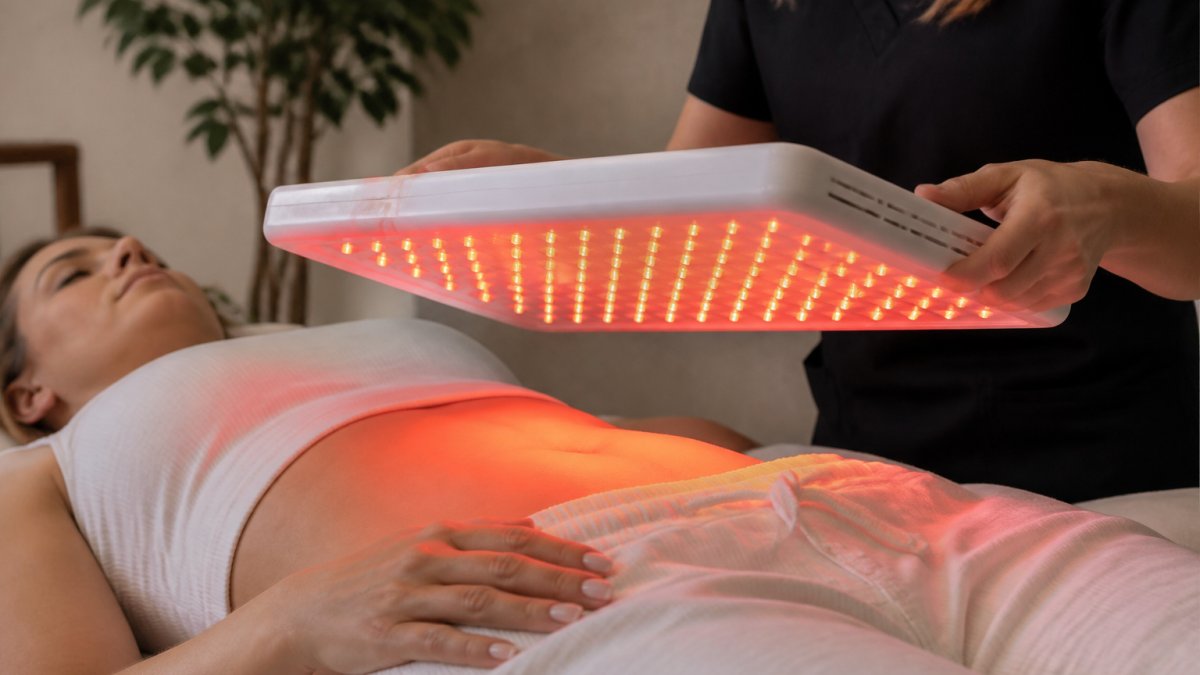
Red light therapy after surgery is a noninvasive light treatment that some providers use to support the body’s own repair process. It works by delivering specific wavelengths of red and near-infrared light to tissue below the skin. (Source: photobiomodulation research)
The therapy is also called photobiomodulation. That term simply means using light to influence how cells behave. The light does not burn or cut. It delivers gentle energy that cells can absorb.
Research on light-based therapies is still developing, and findings vary by device, dose, and study design. Surgeons weigh the available evidence differently, so ask yours what it supports in your case.
A common mistake is expecting light alone to do the work. Healing depends on rest, nutrition, hydration, and following the surgeon’s aftercare plan. Red light therapy is an adjunct to standard post-surgical care, not a replacement for it.
Watch out: skipping your surgeon’s wound-care instructions to attend sessions can set healing back. Always keep the incision clean and covered as directed.
2. Reducing Post-Surgical Inflammation and Swelling
Swelling is a normal part of recovery after liposuction, a tummy tuck, or a BBL. The body sends fluid to the surgical area as part of its healing response. Red light therapy is often used alongside manual techniques to help manage that inflammation.
Light exposure may help calm the inflammatory response in treated tissue, though evidence is still developing. It does not replace lymphatic drainage, compression garments, or elevation, and it is best viewed as one part of a broader plan.
What most guides miss is how much timing matters. Using light therapy too early, before the surgeon clears it, can interfere with early healing. Using it too late may miss the window when inflammation control is most useful.
If swelling suddenly worsens, or one area becomes hot and red, contact your surgeon right away. Those signs need medical attention, not a spa appointment.
3. Easing Postoperative Pain and Discomfort
Postoperative pain and discomfort can make recovery feel endless. Some people explore red light therapy as a way to ease discomfort without medication, though evidence is still developing.
Sessions are generally noninvasive and do not involve a needle. For women anxious about their recovery, a calm experience can matter as much as any physical benefit.
Discussing which specific symptoms may respond is a question for your surgeon, since individual recovery varies.
A common mistake is treating pain as something to push through alone. If pain increases rather than fades, tell your surgeon. Light therapy supports comfort, but it cannot diagnose a complication.
4. Boosting Cellular Energy and Circulation
Cells need energy to repair tissue. Laboratory research suggests certain wavelengths of light may be absorbed by mitochondria, the structures inside cells that produce ATP, though how this translates to recovery in people is still being studied.
| Recovery Goal | How Light Therapy May Help | What Else Supports It |
|---|---|---|
| Wound healing | Supports tissue repair at the incision | Clean wound care, nutrition |
| Swelling control | May calm inflammation | Lymphatic drainage, compression |
| Pain relief | May ease discomfort | Rest, surgeon-approved medication |
| Circulation | Supports oxygen delivery | Gentle movement, hydration |
| Scar quality | May improve scar appearance | Silicone care, sun protection |
5. Red Light Therapy for Scar Tissue Reduction
Scars form as part of normal healing, but their appearance and feel can vary widely. Some people ask about light-based options for scar appearance after body contouring; evidence on this use is still developing.
Collagen is the protein that gives skin structure, and it plays a role in how scars mature over time.
Honest expectations matter here. No treatment erases a scar, and results vary from person to person. Some scars need additional care.
Hard lumps or firm bands under the skin can signal fibrosis. That is a separate concern from surface scarring, and it often needs hands-on treatment. Learning what fibrosis after plastic surgery looks like helps patients raise the right questions with their care team.
6. When to Start Red Light Therapy After Surgery
The short answer: only when your surgeon says it is safe, and the timing depends on your procedure and healing. There is no single timeline that fits every surgery, and no reputable provider should give you one before reviewing your operative report and healing status.
What a responsible start looks like:
- Surgeon clearance first. Get explicit approval, ideally in writing, before your first session. Ask whether your surgeon wants you to wait until incisions are closed, until drains are removed, or until a specific follow-up visit.
- Procedure matters. Recovery after liposuction, Lipo 360, a tummy tuck, and a BBL can follow different healing paths. Your surgeon’s clearance should reflect the specific procedure you had.
- Stage matters. Early recovery is about protecting the wound and controlling swelling. Later stages are about softening tissue and improving scar quality. Light therapy may be appropriate at different points for different goals, and your surgeon is the one who decides.
- Start conservatively. Many providers begin with shorter sessions and build gradually, based on how your tissue responds. If an area becomes irritated, hot, or more painful, stop and check in with your surgical team.
A few practical questions to ask before booking:
- What wavelength and dose does the device use, and is it cleared for the type of tissue being treated?
- How long is each session, how often, and for how many weeks?
- Should the light stay a set distance from the skin, and who positions it?
- Are there areas to avoid, such as open incisions, drains, or grafted tissue?
- What warning signs should make me stop and call you?
Watch out: booking sessions based on a friend’s timeline or a social media post is one of the most common mistakes. Your body, your procedure, and your healing are not the same as hers, and a timeline that worked for someone else can set your recovery back.
If you are unsure whether you are ready, the safest step is a message to your surgeon’s office, not a spa appointment. Once you have clearance, a provider experienced in post-operative care can help you build a schedule that fits your surgeon’s instructions. Before booking a red light session, you can read what to expect from a med spa and laser treatment visit.
7. What the Research Says and How to Set Realistic Expectations
Most guides on red light therapy after surgery blur three very different things: laboratory findings, small human studies, and marketing claims. Keeping them separate is the most useful thing you can do before you book a session.
What the evidence actually looks like
- Laboratory and animal studies show that certain wavelengths of red and near-infrared light can influence mitochondrial activity, reduce markers of inflammation in cells, and support collagen production in tissue samples. These findings are real, but they are not the same as proven outcomes in people recovering from surgery.
- Human clinical studies exist for wound healing, pain, and inflammation, but many are small, use different devices, different wavelengths, and different doses, and are often conducted in settings that do not match a spa. That makes it hard to promise a specific result for any one patient.
- Marketing claims often go further than the research supports. Be cautious with any page that promises guaranteed healing, fibrosis prevention, or fat survival. No responsible provider can promise those outcomes.
Measurable outcomes to watch
If you want to judge whether therapy is helping, focus on things you can actually track rather than how you feel on a given day:
- Pain scores, noted at the same time each day
- Swelling, measured by your surgeon or by how garments fit
- Wound closure time, as documented at follow-up visits
- Scar appearance and texture over weeks and months, not days
- Range of motion and comfort with daily activities
Results vary by procedure, skin type, aftercare, and how closely you follow your surgeon’s instructions.
When to avoid treatment or proceed with caution
Light therapy is not appropriate for everyone. Talk with your surgeon before starting if you:
- Have an open wound, active infection, or unexplained drainage
- Are taking medications that increase light sensitivity
- Have a history of skin cancer or a condition affected by light exposure
- Are pregnant, or are unsure how your provider handles pregnancy
- Have grafted tissue, implants, or drains in the treatment area
Stop and contact your surgical team if you notice increasing pain, spreading redness, fever, unusual drainage, or a hot, swollen area. Those signs need medical attention, not another session.
Device and treatment quality matter
Not all devices are equal. Wavelength, irradiance, dose, and distance from the skin all affect what the tissue receives. A well-run setting with trained staff and a device cleared for its intended use is not the same as an at-home gadget. Ask what device is used, who operates it, and how the dose is set.
Red light therapy is an adjunct to standard aftercare, not a replacement for wound care, compression, lymphatic drainage, or your surgeon’s instructions. The NIH National Center for Complementary and Integrative Health offers plain-language guidance on light-based therapies, the U.S. Food and Drug Administration explains how certain light devices are cleared for use, and the National Library of Medicine hosts peer-reviewed research on photobiomodulation. If you want to understand how light therapy fits alongside hands-on recovery care, learning what fibrosis after plastic surgery looks like can help you raise the right questions with your care team.
Adding Red Light Therapy to Your Recovery Plan at Reviv Spa
Recovery goes better with a plan and a team that understands post-op care. Reviv Spa offers Brazilian lymphatic drainage and manual fibrosis treatment in a private, women-only setting in Fort Lauderdale, designed for comfort during a sensitive time.
Patients who want to understand the full scope of professional support can read about the benefits of post-op care after surgery. Those still managing swelling day to day will find practical help in ways to manage swelling after body contouring. Ready to plan a visit? Explore post-op massage in Fort Lauderdale and see how Reviv Spa can support your recovery.
Frequently Asked Questions
How long after surgery can you use red light therapy?
There is no single timeline that fits every procedure. Timing varies by procedure and individual healing, so always get clearance from your surgeon before starting.
Does red light therapy help reduce post-surgical inflammation?
Some people use red light therapy alongside other recovery care, though evidence on inflammation is still developing. It is not a replacement for your surgeon’s aftercare instructions. If you notice sudden increases in swelling, redness, or warmth, contact your surgeon right away, as these can be signs of a complication.
Is red light therapy safe to use alongside lymphatic drainage massage?
Yes, many post-operative care plans combine red light therapy with lymphatic drainage massage. The light session is typically brief and noninvasive, and the massage addresses fluid movement and tissue softening. Tell your therapist about any medications, skin sensitivities, or changes in sensation before your session.
Can red light therapy improve the appearance of surgical scars?
Evidence on light-based therapy for scars is still developing. It will not erase a scar, and results vary. Your surgeon can advise when it is appropriate to begin scar-focused treatment.
Recovery after cosmetic surgery asks a lot of your body and your patience. Red light therapy may support that process, but the right guidance matters more than any single treatment. Reviv Spa pairs advanced light therapy with surgeon-referred lymphatic care, individualized protocols, and a calm, women-focused environment. Get started with Reviv Spa and build a recovery plan that supports your results from the first session.
