
Table of Contents
- What Post-Op Care Really Does for Healing and Contours
- Compression Garments After Surgery: Why Fit and Timing Matter
- How Post-Surgical Lymphatic Massage Moves Fluid and Softens Fibrosis
- Your Plastic Surgery Recovery Timeline, Stage by Stage
- Surgeon-Approved Post-Op Care: Why Your Doctor Sets the Pace
- Common Recovery Mistakes That Slow Healing and Distort Contours
- When to Call Your Surgeon, and How Reviv Spa Fits Into Your Recovery
- Frequently Asked Questions
Last Updated: October 8, 2026
What Post-Op Care Really Does for Healing and Contours
Post-op care is the set of practices a patient follows after cosmetic surgery to support healing, manage swelling, and protect the shape their surgeon created. It matters because the weeks after surgery often shape the final result as much as the procedure itself. This guide from Reviv Spa covers how post-op care accelerates healing and protects surgical contours for medical aesthetics, stage by stage. (Source: the American Society of Plastic Surgeons)
Swelling is the main reason early results look uneven. Fluid collects around treated areas, and that fluid can harden into firm tissue if it sits too long. Good post-op care keeps fluid moving and gives fragile new contours room to settle.
The work is not complicated, but it is time-sensitive. Miss the early window and some problems take longer to address.
Compression Garments After Surgery: Why Fit and Timing Matter
Compression garments after surgery hold tissue steady, reduce swelling, and support the shape your surgeon built. They work best when worn exactly as directed, not longer or tighter than advised.
Timing comes from your surgeon. Most surgeons give a specific schedule for the first weeks, then taper it. Follow that plan over any general advice online.
Getting the Fit Right
A garment should feel snug and even, never painful. Signs of a poor fit include:
- Deep grooves or red marks that last
- Numbness or tingling in the legs or arms
- Rolling edges that dig into the skin
- Gaps where the garment lifts away
A common mistake is sizing down to “compress more.” Too much pressure can restrict blood flow and irritate nerves. Ask your surgeon’s office to check the fit if anything feels wrong.
How Post-Surgical Lymphatic Massage Moves Fluid and Softens Fibrosis
Post-surgical lymphatic massage is a gentle, hands-on technique that guides excess fluid toward working lymph channels so the body can clear it. It also helps soften early fibrosis, the firm tissue that can form under healing skin.
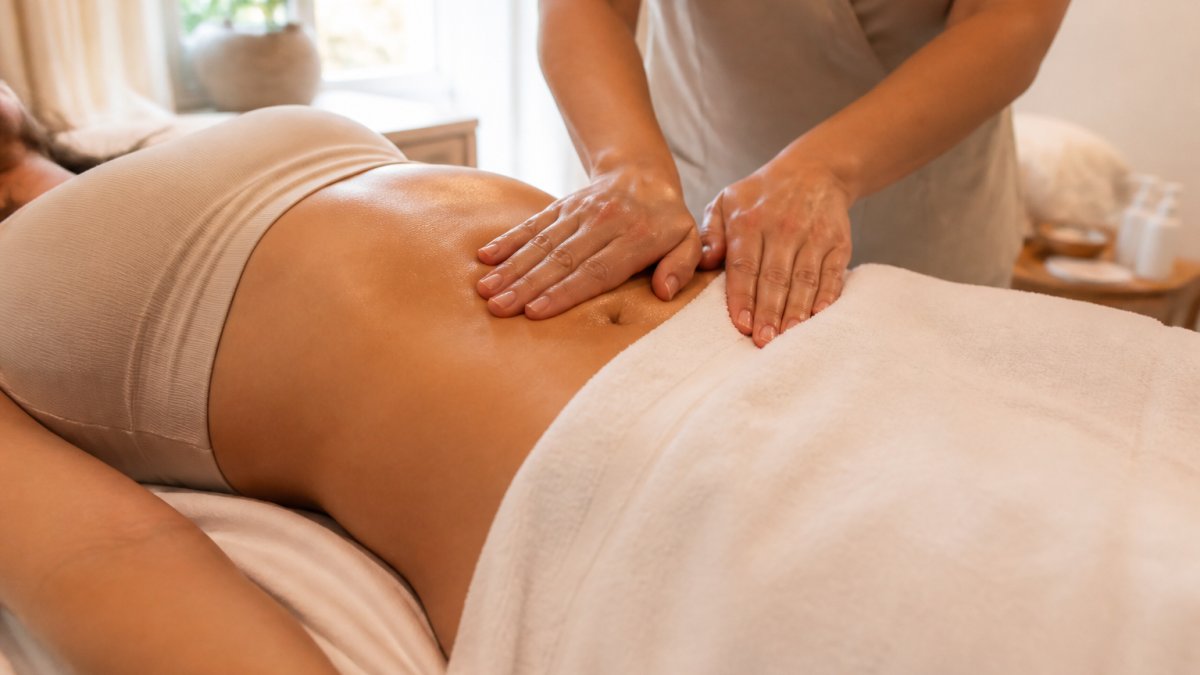
The pressure is light. This is not deep tissue work, and it should not hurt. Skilled therapists follow the direction of lymph flow rather than pressing hard into swollen areas.
What a Session Looks Like
A typical session is calm and quiet. The therapist works in slow, rhythmic strokes, often starting near the lymph nodes and moving outward.
Sessions usually focus on:
- The abdomen, flanks, or thighs after liposuction
- The buttocks and lower back after a BBL
- The full torso after a tummy tuck
Many patients find the nervous system settles too. That calm matters, because stress and poor sleep do not help recovery. (Source: the National Institutes of Health)
Your Plastic Surgery Recovery Timeline, Stage by Stage
A plastic surgery recovery timeline varies by procedure, but the general stages follow a similar arc. Your surgeon’s instructions always take priority over any general timeline.
| Stage | Typical Focus | What Helps Most |
|---|---|---|
| First 72 hours | Rest, drain care, minimal movement | Surgeon’s instructions, hydration |
| Week 1-2 | Swelling peaks, first gentle movement | Compression, short walks, rest |
| Week 3-6 | Swelling eases, fibrosis may appear | Lymphatic massage, light activity |
| Week 6-12 | Contours settle, tissue softens | Consistent care, follow-up visits |
| Month 3+ | Final shape emerges slowly | Patience, surgeon check-ins |
Swelling can linger for months, and that is normal. Firm areas often soften with time and consistent care.
Surgeon-Approved Post-Op Care: Why Your Doctor Sets the Pace
Surgeon-approved post-op care means following the plan your own surgeon gives you, not a generic routine. Every body heals differently, and every procedure has its own risks.
Your surgeon knows your incisions, your drains, and your medical history. That context cannot be replaced by a general guide.
Clear your massage schedule, garment use, and activity level with your surgeon first. If a therapist suggests something that conflicts with your surgeon’s plan, follow your surgeon. The American Society of Plastic Surgeons patient safety resources offers guidance on recovery and when to check in with your care team.
Common Recovery Mistakes That Slow Healing and Distort Contours
The biggest recovery mistakes are skipping compression too early, pushing activity too fast, and ignoring firm areas that need attention. Each one can slow healing or leave contours uneven.
Watch for these:
- Stopping compression early. Swelling can return and press on new contours.
- Skipping lymphatic care. Fluid that sits can harden into fibrosis.
- Doing too much, too soon. Extra strain raises swelling and slows repair.
- Ignoring hard lumps. Fibrosis responds better when addressed earlier.
- Missing follow-up visits. Your surgeon needs to track how you are healing.
A common mistake is comparing your recovery to someone else’s. Two patients, same procedure, can heal at very different speeds.
When to Call Your Surgeon, and How Reviv Spa Fits Into Your Recovery
Call your surgeon right away for fever, spreading redness, sudden severe pain, shortness of breath, or a wound that opens or drains oddly. These are not massage problems. They need medical review.
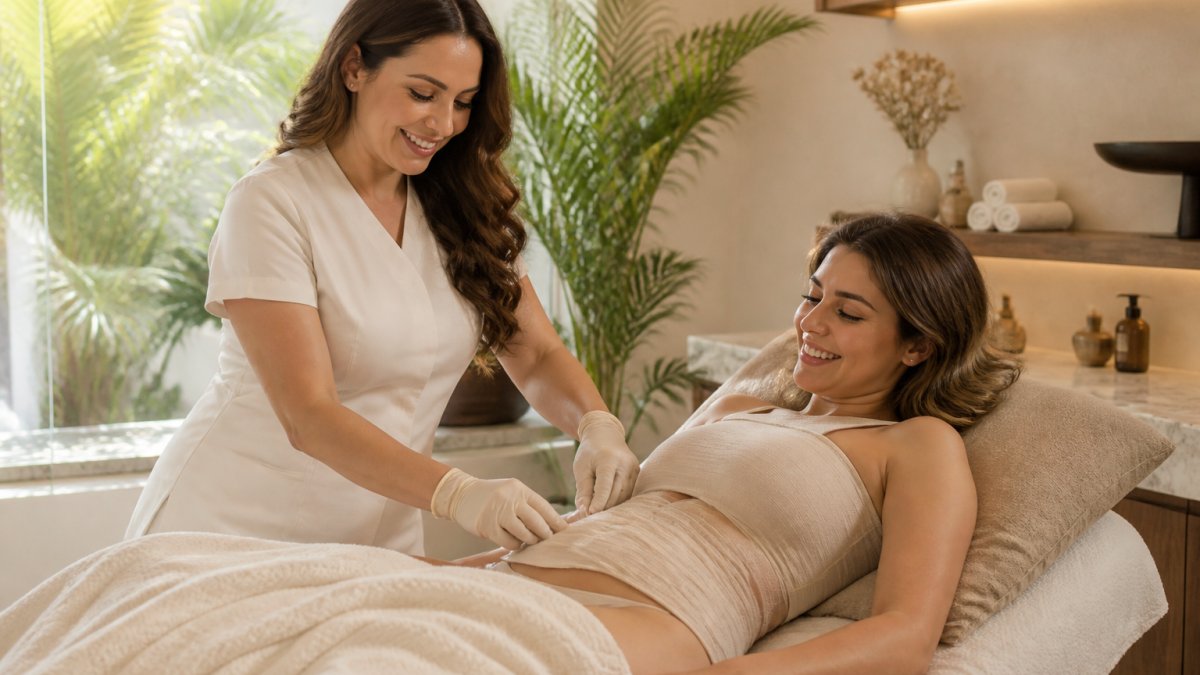
For routine recovery support, Reviv Spa offers a private, women-focused space in Fort Lauderdale. The team specializes in Brazilian lymphatic drainage, post-surgical lymphatic massage, and fibrosis-focused care. Sessions are tailored to each stage of healing, and the team works alongside your surgeon’s plan rather than replacing it.
Bring your surgeon’s written recovery instructions to your first session. It helps the therapist match pressure and timing to your specific procedure and stage.
If you are local or traveling in for surgery, Reviv Spa welcomes out-of-town patients and can help you plan sessions around your stay. Explore Reviv Spa’s post-operative recovery services or book an appointment to support your healing with care that respects your surgeon’s guidance.
Frequently Asked Questions
What helps support healing after plastic surgery?
Consistent post-op care does most of the work: wearing your compression garment as directed, attending post-surgical lymphatic massage sessions once your surgeon clears you, staying hydrated, walking gently to encourage circulation, and eating enough protein. Compression manages swelling and holds tissues in place while they heal, and lymphatic massage helps your body clear the fluid that builds up after surgery. Your surgeon’s instructions always come first, since every procedure and every body recovers differently.
When is it safe to start post-surgical lymphatic massage?
Timing depends on your procedure, your incisions, and your surgeon’s protocol. Some patients are cleared within days, while others wait longer. There is no universal start date, and beginning too early can interfere with healing tissue. Ask your surgeon when you can begin, then choose a provider experienced with post-operative clients. At Reviv Spa, your first visit includes a review of your surgery date, clearance, and current symptoms before any treatment begins.
How long should I wear a compression garment after liposuction?
Most surgeons ask patients to wear compression garments for several weeks after liposuction, often longer for larger-volume procedures, but the exact duration is set by your surgeon based on how you are healing. Wear it as instructed, including overnight if directed. A garment that rolls down, digs in, or leaves deep marks is not doing its job, so ask your surgeon or care team about adjusting the size or style rather than abandoning compression altogether.
Can lymphatic massage help with post-surgical swelling?
Manual lymphatic drainage is designed to encourage the movement of excess fluid through your lymphatic system, which is why surgeons frequently refer patients for post-surgical lymphatic massage after procedures like liposuction, Lipo 360, tummy tuck, and BBL. It can help reduce swelling and soften early fibrotic tissue when performed by a trained therapist at the right stage of recovery. It is not a substitute for medical care, and persistent or worsening swelling should always be evaluated by your surgeon.