
Table of Contents
- What Lymphatic Drainage Massage in Pembroke Pines Actually Does
- Manual Lymphatic Drainage Benefits for Post-Surgical Recovery
- Post-Op Lymphatic Massage in Fort Lauderdale: What to Expect at Reviv Spa
- Fibrosis Treatment After Liposuction: When Hardened Tissue Needs Attention
- Lymphatic Massage Frequency: How Often to Schedule Sessions
- Who Should Avoid Lymphatic Drainage Massage
- Booking Your Lymphatic Drainage Massage Near Pembroke Pines
- Frequently Asked Questions
Last Updated: October 4, 2026
What Lymphatic Drainage Massage in Pembroke Pines Actually Does
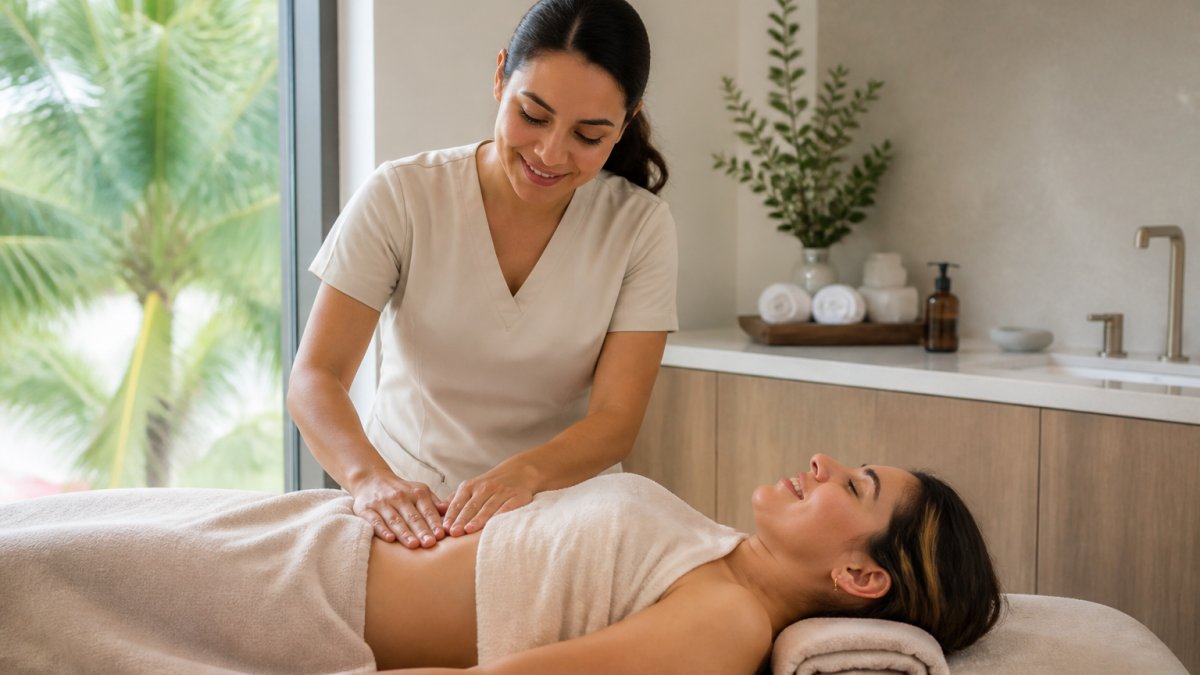
Lymphatic drainage massage is a gentle, rhythmic form of bodywork that encourages lymph fluid to move through the lymphatic system and return to circulation.
This guide from Reviv Spa answers the questions women ask most before booking a lymphatic drainage massage in Pembroke Pines: what it does, how it differs from standard massage, how often to schedule sessions, and who should not receive one.
The lymphatic system is the body’s waste-removal network, collecting excess fluid, proteins, and cellular debris and routing them to lymph nodes for filtering and elimination (Introduction to the Lymphatic System).
After procedures like liposuction, Lipo 360, or a tummy tuck, the body produces inflammation and fluid as part of normal healing.
How Manual Lymphatic Drainage Differs From Standard Massage
Manual lymphatic drainage (MLD) uses light, rhythmic, directional strokes to move lymph toward functioning lymph nodes, while standard therapeutic massage uses deeper pressure on muscle tissue.
| Feature | Manual Lymphatic Drainage | Standard Massage |
|---|---|---|
| Pressure | Very light, skin-level | Moderate to deep |
| Direction | Toward lymph nodes | Along muscle fibers |
| Primary goal | Fluid movement, swelling reduction | Muscle tension, relaxation |
| Post-op suitability | Designed for surgical recovery | Generally avoided on healing tissue |
| Typical session length | 45-90 minutes | 60-90 minutes |
A common mistake is assuming deep tissue massage will “break up” post-surgical fluid faster. It will not, deep pressure on healing tissue can increase inflammation. The light, precise strokes of MLD move lymph without stressing the surgical area.
Manual Lymphatic Drainage Benefits for Post-Surgical Recovery
The clearest benefit of manual lymphatic drainage after surgery is reduced swelling.
Additional benefits reported by post-op patients include:
- Less bloating and heaviness in the treated areas
- Improved tissue softening, which supports the body’s natural healing process
- Reduced risk of fluid pockets that can harden into fibrosis
- A calming effect on the nervous system, which helps with rest and recovery
The Cleveland Clinic overview of lymphatic drainage notes that this type of massage is generally well tolerated and often used to manage lymphedema and post-surgical swelling.
Lymphatic drainage supports recovery but does not replace a surgeon’s post-operative instructions. Compression garments, activity limits, and follow-up appointments remain the foundation.
Post-Op Lymphatic Massage in Fort Lauderdale: What to Expect at Reviv Spa
A session at Reviv Spa begins with a conversation about the procedure, the stage of recovery, and any guidance the patient’s surgeon has provided.
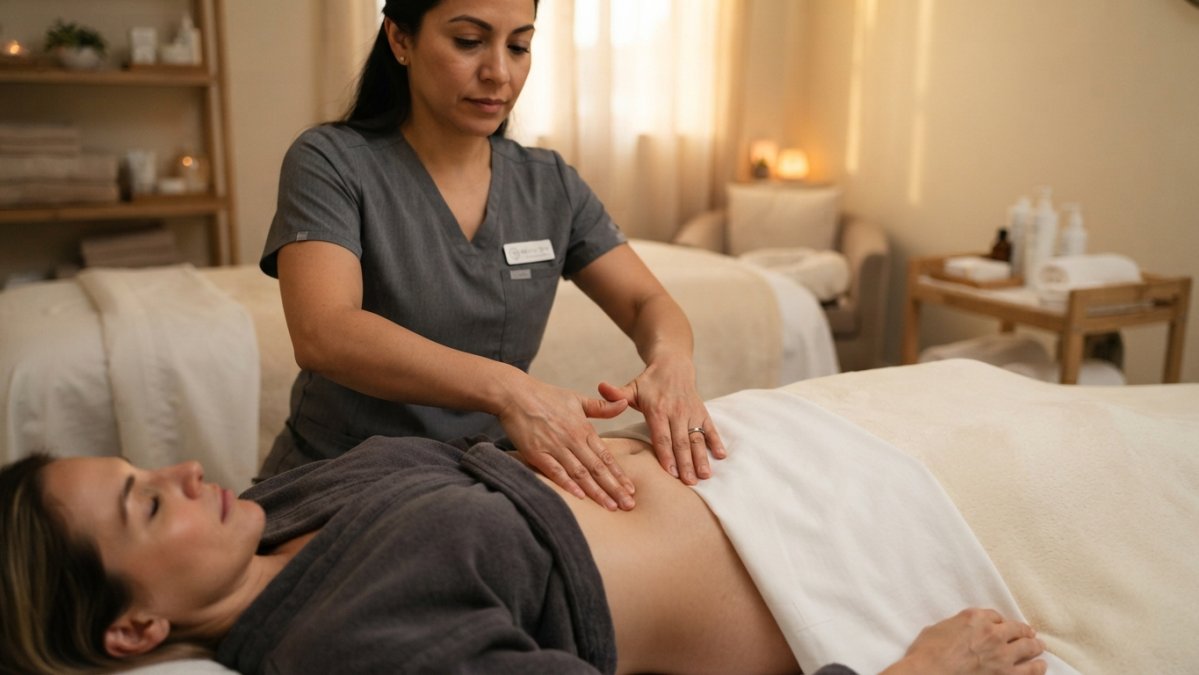
The environment is a private, women-only sanctuary, which matters for patients who feel vulnerable during recovery.
The emotional side of recovery shapes the experience as much as the physical.
Reviv Spa’s approach pairs manual lymphatic drainage with advanced fibrosis treatment, red light therapy, and ultrasound where appropriate.
If you are flying in for recovery, ask your surgeon how soon after surgery massage can begin. Many surgeons clear patients for gentle lymphatic work within the first week or two, but the timing is individual and should come from your surgical team, not from a spa.
Fibrosis Treatment After Liposuction: When Hardened Tissue Needs Attention
Fibrosis is the formation of firm, fibrous tissue under the skin that can develop after liposuction or a BBL.
A frequent question is whether fibrosis present for many months can still be addressed. Outcomes vary: some patients see softening with consistent treatment, others more limited change.
Treatment typically combines several approaches:
- Manual fibrosis treatment, using targeted techniques to work the hardened areas
- Red light therapy, which is used to support tissue healing
- Ultrasound, applied to help soften dense tissue
If fibrosis is accompanied by significant pain, redness, warmth, or fever, that is not a massage issue.
Lymphatic Massage Frequency: How Often to Schedule Sessions
No single schedule fits every patient. Frequency depends on the procedure, recovery stage, surgeon’s guidance, and how the body responds. What follows is a framework, not a prescription.
Why Spacing Matters More Than Session Count
Lymph moves slowly through a network of vessels and nodes. A single session gives the system a push, but fluid already pooled in the abdomen, flanks, or buttocks does not clear in one visit. Schedule too far apart early on and fluid re-accumulates faster than it clears; schedule too aggressively against a surgeon’s guidance and you risk irritating healing tissue. (Source: the National Institutes of Health)
A General Framework by Recovery Stage
| Recovery Stage | Typical Frequency | Primary Goal |
|---|---|---|
| First 1-2 weeks post-op | 2-3 times per week, if cleared | Manage acute swelling and fluid load |
| Weeks 3-6 | 1-2 times per week | Continue fluid movement, begin softening tissue |
| Months 2-3 | Weekly to biweekly | Support contouring, address early fibrosis |
| Beyond 3 months | As needed | Maintenance, comfort, and tissue quality |
These patterns reflect what many surgeons and post-op therapists recommend, but they are not universal. Your surgeon sets the timeline; a therapist adjusts within it.
How Procedure Type Shifts the Schedule
Different procedures produce different fluid patterns, which changes how sessions are spaced.
- Liposuction and Lipo 360 tend to produce significant fluid in the abdomen and flanks. Early, frequent sessions are often recommended to stay ahead of swelling and to support even contouring.
- BBL and buttock augmentation require extra care around the grafted areas. Many surgeons restrict direct pressure on the buttocks for a period, so a therapist works surrounding drainage pathways rather than the graft itself.
- Tummy tuck involves a surgical incision and often muscle repair. Sessions typically begin once the surgeon clears the area, and the therapist avoids the incision line while working the surrounding tissue.
- Combination procedures, for example, Lipo 360 with a BBL, usually call for a longer, more gradual schedule because more tissue is healing at once.
Reading Your Own Body Between Sessions
Frequency is also a feedback question. A few signals can help you and your therapist judge whether the current cadence is working:
- Swelling that rebounds quickly after a session often suggests sessions are spaced too far apart for the current stage.
- Swelling that stays reduced for several days suggests the schedule is keeping pace.
- New firmness or ropey areas developing between sessions is a reason to mention it at the next visit, not to add sessions on your own.
- Increased pain, redness, or warmth in a treated area is not a scheduling issue, it is a reason to contact your surgeon.
When to Ask Your Surgeon Before Adjusting
Any change to frequency should run through the surgical team first, especially in the first six weeks. Surgeons vary in how conservative they are about early massage, and some prefer a follow-up visit before clearing more frequent sessions. If you are traveling to Fort Lauderdale for recovery, ask your surgeon in advance how many sessions to schedule during your stay.
If you are unsure whether your current cadence is right, bring your session notes to your next surgeon follow-up. A short log of when you had massage, how swelling responded, and how you felt the following day gives your surgeon concrete information to adjust the plan.
Who Should Avoid Lymphatic Drainage Massage
Lymphatic drainage is gentle, but gentle does not mean appropriate for everyone. Because the treatment moves fluid through the body, certain medical conditions make it unsafe without a physician’s clearance.
Conditions That Require Medical Clearance First
- Active infection, including cellulitis or a systemic infection. Moving lymph during an active infection can spread the problem rather than resolve it.
- Untreated congestive heart failure or kidney disease, where fluid balance is medically managed. In these cases, fluid movement needs to be directed by a physician, not a therapist.
- Blood clots, including a history of deep vein thrombosis. Clot risk must be assessed by a physician before any manual fluid work.
- Active cancer or lymph nodes removed during cancer treatment. Lymphedema risk after node removal is real, and an oncologist should clear any lymphatic work.
Anyone with a chronic condition should speak with their physician before booking.
Why This Screening Matters More After Surgery
Post-operative patients are in a unique position: the body is already managing inflammation, fluid, and healing tissue, and the surgical site is a temporary vulnerability. A therapist who screens properly will ask about your procedure, your surgeon’s instructions, your medications (especially blood thinners), and any history of clotting or circulatory issues before a single stroke is performed. If a provider does not ask these questions, that is a signal to pause.
Preparing Your Lymphatic System Before Surgery
Most content about lymphatic drainage focuses on the weeks after surgery, but a lymphatic system already moving well going into a procedure tends to be better positioned for recovery. Pre-operative preparation is not a substitute for your surgeon’s instructions and is not appropriate for everyone, but for patients cleared for gentle bodywork before surgery, a few habits are commonly discussed:
- Hydration. Lymph is mostly water. Staying well hydrated in the weeks before surgery supports the fluid environment your body will rely on during healing.
- Gentle movement. Walking, light stretching, and breathing exercises support lymph flow without stressing the body. Deep diaphragmatic breathing in particular is one of the primary drivers of lymph movement.
- Reducing inflammatory load where you can. Sleep, nutrition, and stress management are not spa services, but they shape the environment your body heals in.
- A pre-op lymphatic session, if your surgeon approves. Some patients schedule one or two gentle sessions in the weeks before surgery to support baseline fluid movement. This is not standard for everyone, and it should always be cleared with your surgical team first.
If you are considering pre-operative lymphatic work, bring it up at your pre-op appointment. Your surgeon knows your history and can tell you whether it fits your plan.
What to Tell Your Therapist Before Your First Session
A short, honest intake protects you and helps your therapist design the right session. Be ready to share:
- The procedure you had and the date
- Your surgeon’s specific instructions about massage, compression, and activity
- Any medications, especially blood thinners
- Any history of clots, heart conditions, kidney conditions, or cancer treatment
- Any areas that are painful, warm, red, or newly firm
If you develop significant pain, redness, warmth, fever, or shortness of breath after surgery, do not book a massage. Contact your surgeon or seek medical attention promptly. These are not massage concerns, they are medical ones.
A Note on Trust
A provider willing to turn a patient away, or to ask for a surgeon’s clearance before proceeding, demonstrates exactly the judgment you want in post-operative care. Reviv Spa’s intake process is built around that principle: individualized assessment first, treatment second.
Booking Your Lymphatic Drainage Massage Near Pembroke Pines
Women searching for a lymphatic drainage massage in Pembroke Pines are usually looking for two things: a therapist who understands post-operative recovery, and a setting where they feel safe and cared for.
Pricing depends on the service, the length of the session, and the recovery plan, so the best next step is to visit the Reviv Spa website or contact the team directly for current details and availability.
Recovering from cosmetic surgery is a process, and the swelling, tightness, and uncertainty of the first few months can feel overwhelming without the right support.
Frequently Asked Questions
How soon after surgery can I begin lymphatic drainage massage?
Timing depends on your procedure and your surgeon’s instructions. Many surgeons clear patients for gentle lymphatic drainage within days to a few weeks after surgery, but this varies widely. Always get written clearance from your surgeon before booking. At Reviv Spa, we ask about your procedure date, current healing status, and any restrictions your surgeon has set before your first session.
How much do lymphatic drainage massages cost?
Pricing varies by provider, session length, and whether you book a single visit or a recovery package. Reviv Spa does not publish fixed rates because each recovery plan is individualized. We recommend contacting us directly or visiting our website for current pricing and package options tailored to your post-op needs.
What is the difference between standard massage and manual lymphatic drainage?
Standard massage uses deeper pressure on muscles to relieve tension. Manual lymphatic drainage uses light, rhythmic strokes that follow the direction of lymph flow to encourage fluid movement and reduce swelling. The pressure is much gentler, and the goal is circulatory and lymphatic support rather than muscle relief. This distinction matters after surgery, when deep pressure on healing tissue can be harmful.
Can lymphatic drainage massage help with fibrosis after liposuction?
Fibrosis is hardened tissue that can form after liposuction as part of the healing process. Gentle manual techniques, sometimes combined with tools like ultrasound or red light therapy, may help soften these areas and improve comfort. Results vary by individual, and older fibrosis may respond more slowly. Your surgeon should be involved in any fibrosis treatment plan, especially if the area is painful or changing.