
Last Updated: October 25, 2026
Quick Summary
Lymphatic massage is worth it for mental recovery when you expect short-term calm and physical relief, not a cure for anxiety or depression. The evidence for relaxation is reasonable, but evidence that it changes mood or clinical anxiety is limited or indirect, so track your own outcomes.
- The calm from a single session typically lasts hours, not days, and does not accumulate on its own.
- Rate your stress, mood, and sleep before and the morning after a few sessions to test value.
- A session typically runs 45 to 60 minutes, though length varies by provider and recovery stage.
- Skip sessions if you have an active infection, fever, open wound, or blood clot.
- If low mood or anxiety lasts more than a couple of weeks, talk with your surgeon or a mental health professional.
Table of Contents
- What Mental Recovery Actually Means After Surgery
- How Lymphatic Massage for Stress Relief Works
- The Evidence on Lymphatic Massage and Mental Health
- Lymphatic Drainage Massage After Surgery: The Emotional Side
- How Long the Calm Lasts and What Affects It
- Lymphatic Massage Session Length and What Happens in a Visit
- Lymphatic Massage Risks and Contraindications
- Comparing the Cost and Value for Mental Recovery
- Frequently Asked Questions
What Mental Recovery Actually Means After Surgery
Mental recovery after cosmetic surgery is the emotional and psychological process of adjusting to a changed body, managing uncertainty about results, and rebuilding a sense of control during healing. Many women find the emotional side harder than the swelling. (Source: the National Center for Complementary and Integrative Health (NCCIH))
This guide from Reviv Spa examines whether lymphatic massage is worth it for mental recovery, and where its limits sit. The short answer: it can help you feel calmer and more in control, but it is not a treatment for depression or anxiety.
A common mistake is expecting a massage to fix worry that actually needs time, support, or professional care. Knowing which is which changes everything about whether the sessions feel worth it.
How Lymphatic Massage for Stress Relief Works
Lymphatic massage for stress relief works through slow, gentle, rhythmic movements that calm the nervous system while supporting lymph flow.
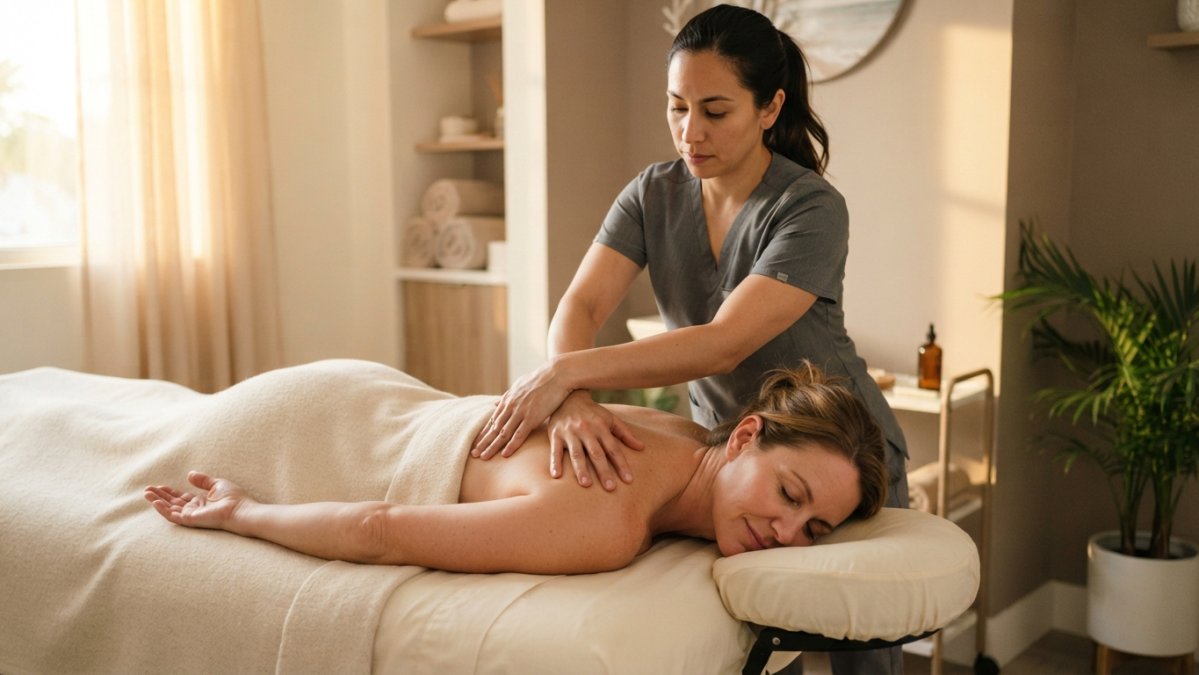
Lymphatic drainage massage is a technique that uses gentle, rhythmic pressure to help lymph fluid move through the lymphatic system toward drainage points.
The physical effects are well documented in recovery care. The mental effects are real but harder to measure. Both matter.
The Parasympathetic Response and Gentle Touch
Gentle touch triggers the parasympathetic nervous system, the branch that handles rest and recovery. Slow, predictable strokes signal safety to the body. Heart rate settles. Breathing deepens.
That shift is why many clients describe sessions as deeply relaxing. It is also why the calm often fades within hours. The nervous system responds in the moment, not permanently.
The Evidence on Lymphatic Massage and Mental Health
The evidence on lymphatic massage and mental health is uneven, and the unevenness is the most useful thing to understand before you book. Manual lymphatic drainage has a solid research history for swelling and fluid management.
That does not make sessions worthless for how you feel. It means you should match the claim to the evidence instead of treating all “mental health benefits” as one thing.
Define the Outcome Before You Judge the Evidence
“Mental recovery” is not a single endpoint. It helps to name which one you actually want, because the evidence and the realistic timeline differ for each:
- Acute stress relief and relaxation. The best-supported short-term effect. Self-reported calm and reduced tension during and shortly after a session are common findings for massage generally.
- Sleep quality. Frequently reported by clients, especially in early recovery, but hard to isolate from rest, pain relief, and reduced swelling.
- Mood and emotional outlook. Plausible and often described anecdotally, but not well established for lymphatic drainage specifically.
If your goal is the first two, the evidence is reasonable enough to justify trying it. If your goal is the last one, massage is a complement at best, never a substitute.
Separate Established Uses From Indirect Evidence
The strongest evidence for manual lymphatic drainage concerns lymphedema and post-surgical swelling, physical endpoints, not psychological ones. When you see mood benefits reported, they usually ride along with physical relief: less tightness, less visible swelling, easier movement, better sleep.
A useful way to read any claim you encounter:
- Direct evidence would be a study measuring anxiety or mood after lymphatic drainage specifically. This is scarce.
- Indirect evidence is massage research showing short-term relaxation, or recovery research showing that less swelling and pain improves well-being. This is more common.
- No evidence is the claim that lymphatic massage treats depression, prevents post-op emotional lows, or replaces therapy. Treat marketing that says so with caution.
The National Center for Complementary and Integrative Health’s overview of massage therapy is a reasonable starting point for seeing what massage research does and does not support.
Lymphatic massage has credible evidence for swelling and fluid movement, and reasonable short-term evidence for relaxation. Evidence that it meaningfully changes mood, cognitive fatigue, or clinical anxiety is limited or indirect. Judge the session by the outcome you can actually measure for yourself.
How to Track Your Own Mental Recovery
Because the research is thin, your own tracking is the most honest test of whether sessions are worth it for you. A simple approach:
- Rate your stress, mood, and sleep on a simple scale before and the morning after a few sessions.
- Note physical markers too, swelling, tightness, ease of movement, since mental relief often follows physical relief.
- Give it a defined trial, such as a handful of sessions during early recovery, then decide whether the pattern justifies continuing.
If low mood, persistent anxiety, or hopelessness lasts more than a couple of weeks, or interferes with daily life, that is a signal to talk with your surgeon or a mental health professional, not to add more sessions. For context on what many women experience emotionally after body contouring, the Reviv Spa article on whether post-op depression is common after BBL covers when to seek support.
Lymphatic Drainage Massage After Surgery: The Emotional Side
Lymphatic drainage massage after surgery addresses the emotional side indirectly, by reducing the physical discomfort that feeds worry. Less tightness and less visible swelling can ease the anxiety that comes with a body that does not yet feel like your own. (Source: research on the physiological effects of gentle touch)
Post-operative emotions are often intense and unpredictable. If you are wondering what is normal to feel after cosmetic surgery, that article walks through the emotional and physical experiences many women report during recovery.
The American Society of Plastic Surgeons’ guidance on what to expect during recovery notes that emotional ups and downs are a normal part of the process. Knowing that helps.
For a closer look at the emotional landscape, the Reviv Spa article on whether post-op depression is common after BBL covers what many women experience and when to seek support.
How Long the Calm Lasts and What Affects It
The calm from a single session typically lasts hours, not days. Clients often describe feeling settled for the rest of the day and sleeping better that night. The effect does not accumulate on its own.
What affects duration:
- Frequency of sessions. Regular visits during early recovery tend to feel more supportive than one-off appointments.
- Stage of healing. The first few weeks after surgery are often the most emotionally raw.
- Your baseline stress. Higher ongoing stress tends to shorten the calm.
Honest expectation-setting matters here. A session is a reset, not a cure. The women who get the most from it treat it as part of a broader recovery routine.
Lymphatic Massage Session Length and What Happens in a Visit
A lymphatic massage session typically runs 45 to 60 minutes, though length varies by provider, treatment area, and stage of recovery. The visit itself is calm and predictable, which is part of why it feels supportive.
What a visit usually involves:
- A brief check-in about your surgery date, surgeon’s guidance, and how you are feeling
- Positioning that keeps you comfortable and respects tender areas
- Gentle, rhythmic strokes along lymph pathways
At Reviv Spa, post-op lymphatic drainage sessions are tailored to each client’s stage of recovery and comfort. You can review the post-op lymphatic drainage service in Fort Lauderdale to see how visits are structured and what to expect.
Lymphatic Massage Risks and Contraindications
Lymphatic massage is generally low risk when performed by a trained professional, but it is not appropriate for everyone. Knowing the contraindications protects you.
Skip or delay lymphatic massage if you have:
- An active infection, fever, or open wound
- A blood clot or suspected clot
- Untreated heart, kidney, or liver conditions
Watch out: starting lymphatic work before your surgeon clears you can interfere with healing. Always confirm timing with your surgical team first.
If you have questions about safety before booking, the answers to common questions about lymphatic and post-op appointments cover what to expect and how to prepare.
Comparing the Cost and Value for Mental Recovery
Judging value for mental recovery comes down to what you are actually buying and what you would otherwise spend. You are not buying a cure for anxiety. You are buying structured calm, physical relief, and a professional who understands recovery, and that has to be weighed against rest, therapy, exercise, and simply time.
A Transparent Value Framework
Rather than a single price tag, think in terms of cost per outcome and cost per alternative:
| Option | What It Offers | Best For | Limits |
|---|---|---|---|
| Lymphatic massage sessions | Relaxation, swelling support, guided calm | Women in active post-op recovery | Short-term effect, requires repeat visits |
| Talk therapy | Coping tools, emotional processing | Persistent anxiety or low mood | Does not address physical swelling |
| Support groups | Shared experience, reassurance | Feeling alone in recovery | Not individualized |
| Gentle movement and rest | Baseline recovery, mood support | Everyone, as a baseline | No hands-on fluid support |
| Self-massage guidance | Low-cost fluid support between visits | Budget-conscious clients | Technique-dependent, less precise |
Pricing for lymphatic sessions varies widely by provider, session length, treatment area, and whether you buy a package. Contact the spa directly for current pricing and package options. When you compare quotes, ask what is included, a brief check-in, the treatment itself, and aftercare guidance are part of the value, not extras.
How to Decide Whether It Is Worth It for You
A practical way to weigh the investment:
- Define the outcome. If you want short-term calm and physical relief during early recovery, the value is easier to justify than if you expect lasting mood change.
- Set a trial period. Commit to a defined number of sessions, track how you feel, and reassess rather than booking indefinitely.
- Compare like with like. A session that also reduces swelling and tightness is doing double duty; a purely relaxing add-on is a different purchase.
Ask your provider how they would measure whether sessions are helping you, for example, swelling, comfort, sleep, or mood. A provider who welcomes that conversation is usually a better value than one who promises a fixed result.
For a deeper look at whether the investment pays off for physical recovery, read whether lymphatic drainage massage is worth it for swelling. The honest answer to the title question: lymphatic massage is worth it for mental recovery when you expect calm and support, not a cure, and when you track the outcome for yourself. It is one valuable piece of a larger recovery plan, and you can review the post-op lymphatic drainage service in Fort Lauderdale to see how visits are structured before you decide.
Frequently Asked Questions
Can lymphatic massage help with stress or anxiety?
Many people report feeling calmer after a lymphatic massage session, and the slow, rhythmic movements may support relaxation and stress reduction. The physical relief of swelling and fluid retention can also ease the emotional weight of recovery. However, lymphatic massage is not a treatment for anxiety disorders or clinical depression. If you are struggling with persistent anxiety or low mood, speak with your surgeon or a mental health professional. Lymphatic massage is best viewed as one supportive piece of a broader recovery plan.
How often should you get lymphatic drainage massage after surgery?
Frequency depends on your procedure, your surgeon’s guidance, and how your body responds. Some patients schedule sessions several times a week early in recovery, while others taper to weekly visits as swelling decreases. Your surgeon’s protocol should always come first. At Reviv Spa, the team can discuss a realistic schedule during your consultation, including whether back-to-back sessions make sense for out-of-town patients. There is no single universal schedule that fits every surgery or every body.
What is the difference between lymphatic massage and a regular massage?
Lymphatic massage uses light, rhythmic pressure and gentle strokes directed toward lymph nodes to encourage fluid movement, while a regular massage typically works deeper into muscles and connective tissue. The goal of lymphatic drainage is to support circulation and reduce swelling rather than to release muscle tension. Because the pressure is lighter, lymphatic massage is often better suited to early post-operative recovery. A trained professional can explain which approach fits your stage of healing.
Who should avoid lymphatic drainage massage?
Lymphatic massage is not appropriate for everyone. People with active infections, untreated blood clots, decompensated heart failure, or certain kidney conditions should avoid it unless cleared by a physician. If you have lymphedema, it should be managed under medical supervision. Always tell your therapist about your health history, medications, and recent surgeries. When in doubt, ask your surgeon before booking. A qualified practitioner will screen for contraindications during your consultation and refer you to your doctor if anything needs clarification.
Recovery asks a lot of you, and the emotional weight is real. Reviv Spa offers a private, women-focused space in Fort Lauderdale where licensed therapists support post-op healing with Brazilian lymphatic drainage, swelling and fluid management, and fibrosis-focused care. If you are ready for calm, informed support during recovery, get started with Reviv Spa and book a session that meets you where you are.
